
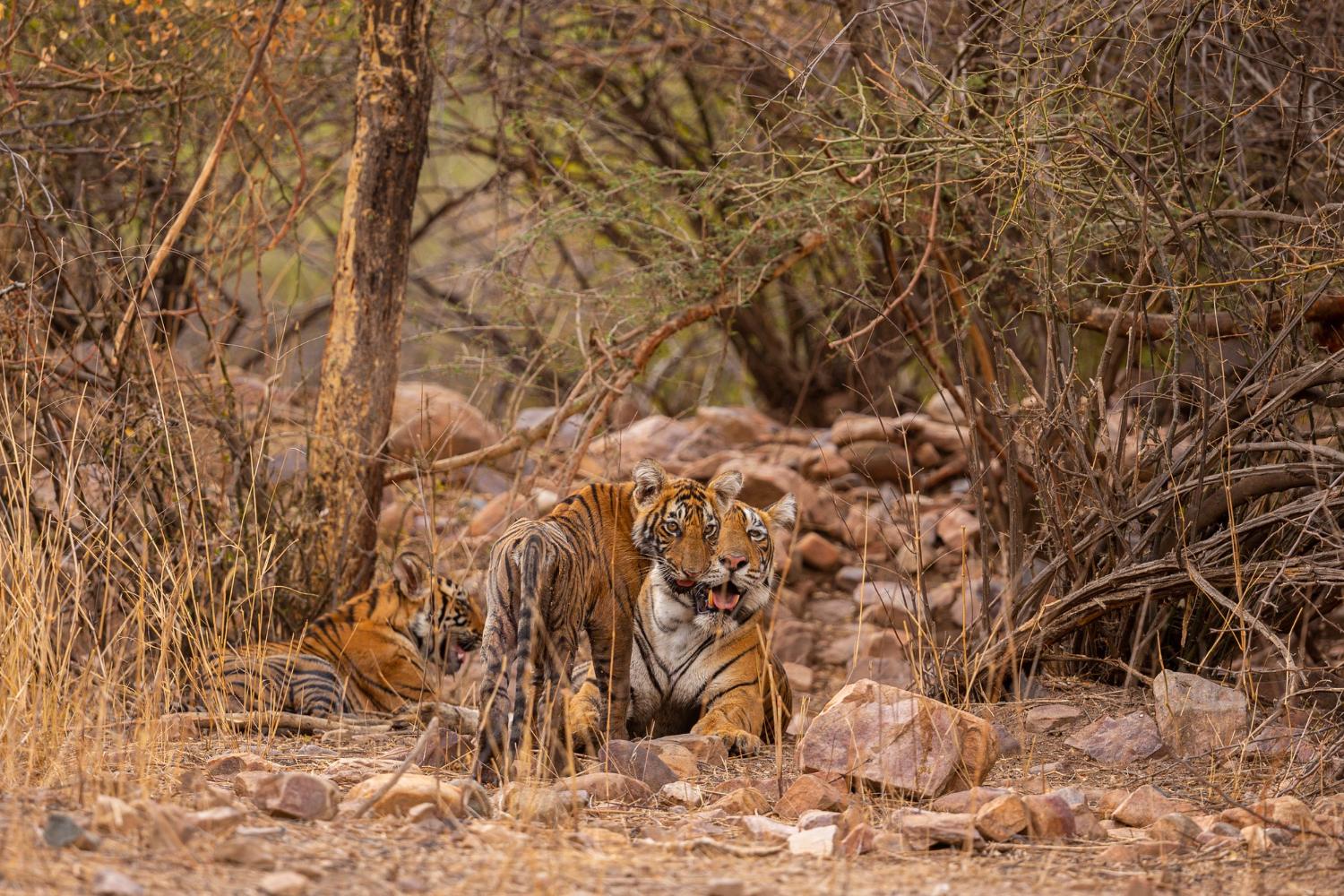
Most travellers arrive expecting wildlife. What they do not expect is how much the experience demands from them — patience, stillness, the ability to sit with uncertainty before something extraordinary finally happens. That quality of waiting, and what fills it, sets this region apart from every other wildlife destination on earth. Southern Africa’s safari destination landscape is not a performance arranged for visitors. It runs on its own schedule, follows its own rules, and permits observation only on its own terms.
Botswana Engineered Its Own Quiet
Botswana’s low-volume tourism model was not an accident of geography. It was a deliberate government decision made long ago and never reversed. Visitor numbers were capped, lodge density was controlled, and the entire economic model was built around quality rather than volume. The Okavango Delta remains genuinely uncrowded as a direct result. Travellers arriving from busier parks notice the difference almost immediately upon entering.
Zimbabwe Kept Access Others Removed
Walking safaris through Mana Pools place guests on foot in terrain that lions, buffalo, and elephant move through daily. Most countries withdrew that level of access years ago over liability concerns. Zimbabwe kept it. The guides who stayed through the country’s difficult years are exceptionally skilled, shaped by necessity as much as formal training. Recovery has brought real investment back without yet delivering the tourist volumes that typically follow.
Namibia’s Wildlife Rewrote Its Own Behaviour
Desert elephants in the Kunene region travel vast distances between water, drink far less frequently than savannah counterparts, and carry navigational knowledge passed between generations. Southern Africa’s safari destination diversity reaches its most unexpected point here. The landscape looks as though it should sustain nothing at all. The wildlife has simply decided otherwise, adapting in ways that researchers are still working to fully understand and document.
Private Land Changes What Is Possible
National parks restrict vehicles to marked roads and prohibit movement after dark without exception. Private conservancies allow off-road driving, night game drives, and extended time with individual sightings. Wildlife crosses between both areas without any awareness of the boundary between them. The quality of encounter, however, does not cross with it. That distinction matters more than most travellers initially realise.
Guides Are the Experience
A skilled field guide reads the bush through pattern recognition built over years of close, careful observation in the field. Africa’s safari destination regions produce some of the world’s most qualified guides because the ecosystems genuinely demand that standard. The guide reframes every sighting from something visually impressive into something properly understood and remembered long after returning home.
Conclusion
Southern Africa does not arrange itself for visitors. Animals move on their own schedule, weather does not negotiate, and remarkable moments arrive without warning or guarantee. Travellers who engage with Southern Africa’s safari destination region on its own terms consistently leave carrying something that comfortable, predictable travel simply cannot produce — a genuine encounter with a world that exists entirely without human arrangement or interference.